40-Ton Overhead Cranes for Warehouses: Buyer’s Safety Checklist
menu_open
Content Quick Link
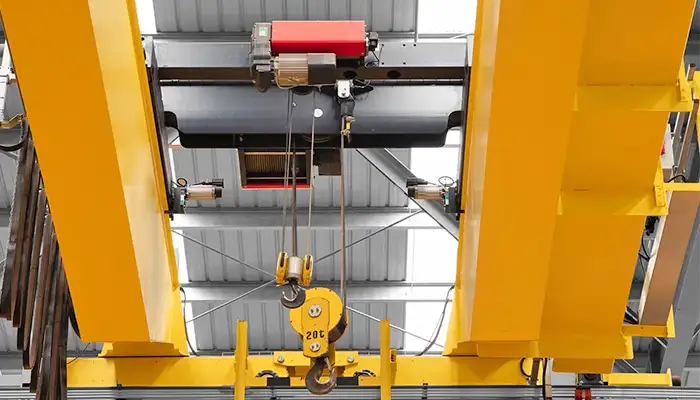
When you're buying a 40-ton overhead crane for your warehouse, it's not just about picking the strongest model on paper. These cranes are major investments, and getting it wrong can cost you time, money, and even safety. Evaluating the crane carefully before purchase ensures it will operate reliably, handle the loads you need, and fit the environment it will work in. A thorough assessment isn't optional—it's essential for smooth warehouse operations. A 40-ton overhead crane is designed to lift very heavy loads in industrial and warehouse environments. These cranes can move steel beams, large machinery, and bulk materials safely across long spans. They usually come in single-girder or double-girder configurations, with top-running or under-running designs. Choosing the right type depends on your warehouse layout, ceiling height, and how frequently you will use the crane. When considering a 40-ton overhead crane, don't just look at the number on the spec sheet. Practical factors often make the biggest difference in safe operation and long-term reliability. These include: In short, a well-chosen crane works smoothly, keeps your warehouse operations efficient, and protects your team and assets. It's not just a piece of equipment—it's the backbone of your heavy lifting workflow. A 40-ton overhead crane is a heavy-duty lifting system that moves large loads across a warehouse or industrial facility. These cranes are typically mounted on rails along the ceiling or on runway beams, allowing them to travel along the length of the warehouse while lifting and moving materials efficiently. Understanding the types is key to choosing the right crane for your operation. Top-running vs. Under-running (Underslung) Cranes Single-Girder vs. Double-Girder Designs 40-ton overhead cranes are most often used in scenarios where heavy lifting is frequent and precision is required. Knowing the application helps determine the crane type, hoist, trolley, and safety features. Even a 40-ton crane has limits that must be considered before purchase and installation. Operating outside these limits can cause safety hazards or damage the equipment. Practical Tip: Plan for occasional overloads, uneven load distribution, and environmental factors like temperature and dust, which can affect crane performance. Before investing in a 40-ton overhead crane, several key factors determine safe operation, efficiency, and long-term reliability. This checklist helps buyers make informed decisions. Don't just take the rated capacity at face value. Real-world operation often involves small overloads, uneven loads, or dynamic forces during lifting. Planning for a 10–20% safety margin above your maximum expected load is recommended. Practical Note: A crane running at full capacity constantly will wear out faster. Choosing a slightly higher capacity reduces stress on components and increases lifespan. Your warehouse structure is just as important as the crane itself. A 40-ton crane places significant loads on floors, beams, and columns. Ignoring structural compatibility can lead to unsafe conditions and costly modifications. Tip: In older warehouses, a structural engineer's assessment is often necessary before installation. Choosing the right crane type and configuration ensures efficient operation, minimal downtime, and safe lifting. Practical Tip: Visualize your typical lifts in your warehouse layout. If the crane design doesn't match actual material movement, operational headaches can arise even with a "perfect" spec sheet. Ensuring proper electrical setup, safety features, and maintenance routines is critical for 40-ton crane reliability and operator protection. 40-ton overhead cranes require a stable and compatible electrical system. Choosing the right setup ensures smooth operation, reduces downtime, and prevents equipment damage. Practical Note: Choose controls based on warehouse layout, frequency of use, and operator comfort. Safety and precision often outweigh cost considerations. Safety is non-negotiable for 40-ton cranes. Look for comprehensive built-in safety systems to protect personnel and equipment. Practical Tip: Operator training is essential. A well-trained operator reduces risk more than any device can. Proper maintenance ensures minimal downtime and long crane life. Practical Note: Follow ISO or FEM guidelines for inspections and maintain detailed records. Predictive maintenance reduces long-term costs and avoids unexpected downtime. Ensuring your 40-ton crane meets standards and planning for future growth protects both safety and investment. Meeting safety and legal standards is critical when purchasing a 40-ton overhead crane. Practical Tip: Request documentation from the supplier showing compliance and past inspection records. Starting with a certified crane reduces future issues and ensures legal operation. Planning ahead for warehouse growth and changing lifting needs can save costs and disruptions later. Practical Note: Planning for growth doesn't mean overspending today—it means choosing a crane system that can scale with your business efficiently. Proper site preparation, professional installation, and thorough testing are key to safe and efficient crane operation. Before the crane arrives, the site must be ready. Foundations and runway beams must handle both static and dynamic loads, and be perfectly aligned. Practical Tip: Consider hiring a structural engineer for large spans or older warehouses. Proper site prep reduces installation time and future maintenance headaches. Even a high-quality crane can underperform if installed incorrectly. Experienced installers ensure alignment, safety, and proper electrical connections. Practical Note: Poor installation can lead to uneven wear, increased downtime, or early component failure. Professional installation is an investment in long-term reliability. Thorough testing ensures the crane operates safely before it enters daily use. Practical Tip: Document all tests for compliance, maintenance, and insurance. A crane that passes these tests is ready for safe and efficient operation. Following proper operational practices ensures safety, reduces wear, and maximizes crane performance. A well-trained operator is the first line of safety. Training should cover controls, load behavior, safety systems, and emergencies. Practical Note: Conduct regular refresher training to accommodate new equipment, layouts, or procedures. Daily inspections catch small issues before they escalate. Use a checklist to ensure nothing is overlooked. Practical Tip: Maintain a log of inspections and corrective actions for safety, warranty, and regulatory compliance. Safe handling involves planning each lift carefully, not just staying within limits. Practical Note: Advance planning, especially in busy warehouses, prevents accidents and product damage. A clear emergency plan keeps personnel safe and minimizes damage during crane failures. Practical Tip: Document and display emergency procedures for operators. Preparedness reduces panic and response time. Choosing the right supplier ensures your crane operates safely, stays well-maintained, and meets long-term warehouse needs. Not all suppliers have the expertise for 40-ton systems. Experience matters for design, installation, and operational advice. Practical Tip: Experienced suppliers can advise on crane type, runway design, and control systems tailored to your facility. Ongoing support keeps your crane running efficiently and prevents minor issues from becoming major problems. Practical Note: Strong after-sales support reduces downtime and extends crane life. Warranties and service packages reflect supplier confidence and protect your investment. Practical Tip: Clarify warranty terms, response times, and exclusions to avoid surprises later. Real-world examples show how a supplier performs beyond marketing materials. Practical Note: References and case studies reveal the real experience of working with a supplier.Introduction
Purpose: Why Proper Evaluation Matters
Overview: What a 40-Ton Overhead Crane Offers
Key Takeaway: What Buyers Should Focus On
40-Ton Overhead Cranes
Definition & Types
Typical Applications
Operational Limits
Buyer's Checklist: Pre-Purchase Considerations
Load Capacity & Safety Margins
Warehouse Structural Compatibility
Crane Type & Configuration
Electrical, Safety & Maintenance Considerations
Electrical & Power Requirements
Safety Features
Maintenance & Inspection
Compliance & Flexibility Considerations
Compliance & Certification
Future Expansion & Flexibility
Installation Considerations for 40-Ton Cranes
Site Preparation: Foundation and Runway Alignment
Professional Installation: Choosing Experienced Installers
Testing Before Commissioning: Load Testing, Trial Lifts, and Safety Verification
Operational Best Practices for 40-Ton Cranes
Operator Training: Proper Training for Crane Operators
Routine Checks: Pre-Operation Inspection Checklist
Load Handling Procedures: Safe Lifting, Moving, and Placement
Emergency Response Plan: Procedures for Equipment Failure or Accidents
Supplier Selection Tips for 40-Ton Overhead Cranes
Experience with Heavy-Capacity Warehouse Cranes
After-Sales Support & Maintenance
Warranty and Service Packages
References & Case Studies
Conclusion
Safe operation of a 40-ton overhead crane is not just about buying the most powerful model. It requires a combination of careful planning, thorough evaluation, and attention to detail at every stage—from selecting the right crane type, verifying warehouse compatibility, and ensuring proper electrical and safety systems, to professional installation and operator training. When each step is handled properly, you reduce risks, protect your team, and extend the life of your crane.
Actionable Advice
Use this checklist as a practical guide:
- Assess potential suppliers carefully, focusing on experience, support, and references.
- Evaluate your warehouse environment, structural capacity, and future expansion needs.
- Ensure professional installation, thorough testing, and operator training before the crane goes into service.
- Maintain a regular inspection and maintenance schedule to catch issues early and keep operations running smoothly.
Practical Tip: Treat your 40-ton overhead crane as a long-term investment. A well-chosen and properly maintained crane improves warehouse efficiency, reduces downtime, and keeps operations safe for years to come.

Article by Bella ,who has been in the hoist and crane field since 2016. Bella provides overhead crane & gantry crane consultation services for clients who need a customized overhead travelling crane solution.Contact her to get free consultation.